Chiropractic’s voice in Harrisburg.
PCA writes the bills, testifies at the hearings and walks the Capitol halls so Pennsylvania chiropractors can practice to their training and patients can reach their care. Here is what we are fighting for right now, and how you can help win it.

What we’re fighting for right now
Where every bill we’re driving or watching stands today, and what it means for your practice.
HB 1106: Delegation
Clarifies what trained staff can do in a chiropractic office, so doctors can run efficient practices and see more patients. Passed the House 193–8. Now it needs a Senate vote.
- ✓IntroducedHouse
- ✓Passed committeeHouse
- ✓Passed the House193–8
- 4Senate voteUp next
- 5GovernorSigns into law
SB 1330: Scope modernization
Brings Pennsylvania’s chiropractic practice act in line with how DCs are trained today.
Read the plan →HR 539 / S 106: Medicare coverage
Medicare covers only spinal manipulation today. These bills would cover the full range of chiropractic services for seniors.
Contact your member of Congress →PT direct access and dry needling
Proposals to expand physical therapy direct access from 30 to 60 days and to address dry needling. PCA’s Dr. Marc Belitsky testified before the House Professional Licensure Committee.
Watch the testimony →Three things you can do this week
Senators listen to the chiropractors and patients in their own districts. Ten minutes from you carries more weight than a hundred emails from us.
- 1
Send your postcard
Fill out the HB 1106 Senate postcard from your inbox and mail it today. A physical card on a Senator’s desk carries weight.
- 2
Call your Senator
Call or visit the district office. Introduce yourself, tell your story and ask for a YES on HB 1106.
- 3
Thank your Representative
Share the thank-you post from our social toolkit. Senators notice when colleagues get credit for supporting chiropractic.
On the record for Pennsylvania chiropractic
We show up where decisions get made: committee hearings, the House and Senate, the State Board and the courts.
Dr. Marc Belitsky testifies before the House Professional Licensure Committee
PCA’s position on physical therapy direct access and dry needling, on the record before the committee.
PCA advocacy in Harrisburg
How PCA makes the case for chiropractic with Pennsylvania lawmakers.
What PCA advocacy has already won
Every one of these changed how Pennsylvania chiropractors practice and get paid.
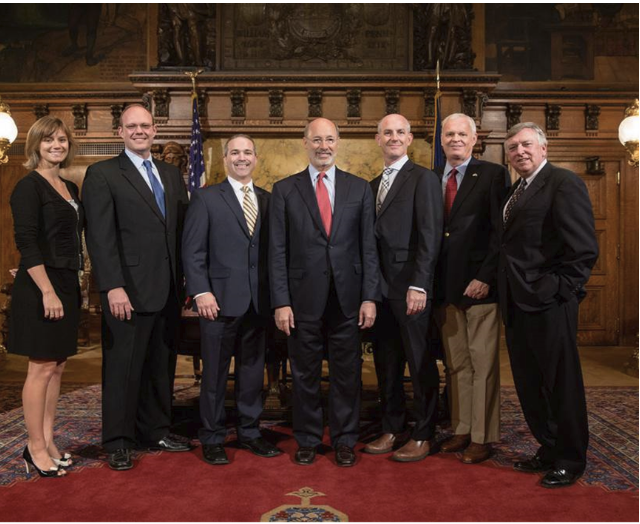
The people working the Capitol for you

Jessica Treichler
Jessica brings seven years of grassroots advocacy and five years managing billing in a multidisciplinary chiropractic clinic, so she knows the practice-side cost of every bill she works on. She leads PCA’s day-to-day work on HB 1106 and SB 1330 and is your first call on any legislative question.
Contact the legislative team →


Come to the Capitol with us
Spend a day in Harrisburg meeting legislators with PCA leadership. No experience needed. We brief you, schedule the meetings and walk in with you.
- Jan 27Held
- Mar 25Held
- Apr 21Held
- May 6Held
- Sep 29Held
- Oct 20Next · sign up
Support the PCA-PAC
The PAC supports candidates who support chiropractic. It is how we stay in the room with the legislators who decide our bills, and every dollar comes from doctors like you.
PAC Committee Chair: Keith Miller, DC
Give to the PACNewsletters and briefings
Our monthly legislative newsletter tells you what moved, what’s next and exactly what to do. Members get it by email.
Reach your lawmakers
Pennsylvania has 50 Senators (4-year terms) and 203 House members (2-year terms). Every one of them has a district office near you.